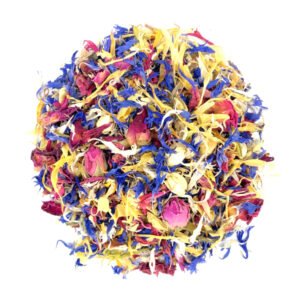

HOW TO USE EDIBLE FLOWERS
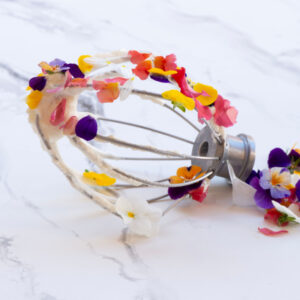
Edible Flowers in Baking
There’s something quietly magical about bringing flowers into the kitchen. Not arranged in a vase, but resting gently on a cake. Floating in a teacup. Pressed into warm shortbread or folded into soft buttercream. It’s a small shift — yet it transforms the everyday into something that feels thoughtful and celebratory.
If you’ve ever admired edible blooms and wondered how do I actually use these? — you’re in the right place.
Edible flowers aren’t just decorative. They add subtle flavour, delicate fragrance, and a sense of seasonality that connects your table to the garden and the light just beyond the window. Used with care, they elevate simple recipes and quiet moments alike.
It’s important to note that not all flowers are meant for the kitchen. Our edible flowers are grown specifically for flavour and culinary use. Florist flowers — though stunning in arrangements — are cultivated for display and are often treated with sprays or preservatives that make them unsuitable for baking, steeping, or garnishing. Choosing blooms that are intentionally and organically grown for food ensures that the beauty on your plate is as pure as it appears.
In this guide, we’ll walk you through everything you need to know — from choosing safe, organically grown blooms to gently preparing them, understanding allergies, and incorporating them into tea, baking, and seasonal gatherings. Spring invites us to notice beauty in small details. Edible flowers are one of the loveliest ways to do just that.
PREPARING EDIBLE FLOWERS FOR USE:
Once you’ve brought your blooms home, store them gently in the refrigerator in their original container or in a shallow airtight container lined with a dry paper towel. Keep them cool and dry, and use them within a few days for the freshest colour and flavour. Never freeze unless you are making floral ice cubes.
Edible blooms are delicate, and a light touch goes a long way.
1. Inspect Gently
Before using, look over each bloom and remove any wilted petals or small stems.
2. Light Rinse (If Needed)
If washing is necessary, briefly dip the flowers in a bowl of cool water rather than running them under a strong stream. Swirl gently, then lift them out carefully.
3. Dry with Care
Lay them flat on a clean tea towel or paper towel and allow them to air dry. Pat very gently if needed — avoid pressing, as petals bruise easily.
4. Remove Pollen (Optional)
For larger flowers, you can carefully trim away the stamens if you’re concerned about bitterness or pollen sensitivity.

Edible Flower Cookies
EDIBLE FLOWERS IN BAKING, TEA, DECOR & CELEBRATIONS
Edible Flowers in Baking:
You don’t need complicated techniques to make a lasting impression. A few well-placed petals can turn a simple cake into something unforgettable.
• On Cakes: A simple white cake becomes something unforgettable with just a handful of petals.
* Press whole dried flowers gently into buttercream.
* Scatter loose petals across the top in a soft crescent.
* Leave some negative space to showcase the blooms
Restraint creates elegance. For spring birthdays, garden parties, or intimate weddings, blooms add softness without overwhelming the design.
In Shortbread & Cookies:
• There is something timeless about flower-pressed cookies. Press blooms directly into dough before baking — the gentle warmth sets them beautifully. The result feels delicate, almost heirloom, as if it belongs on a linen-covered table beside a steaming cup of tea.
• Individually wrapped, flower-pressed cookies make lovely wedding favours or shower gifts.
In Drinks & Tea Moments
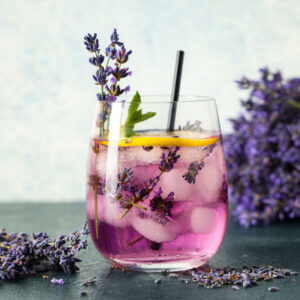
Lavender Lemonade
Blooms bring a quiet romance to beverages – Even the simplest glass becomes intentional. Even a single bloom can transform a beverage into a quiet celebration.
• Float petals in iced tea, lemonade, or sparkling water.
• Garnish cocktails with a single flower for a subtle, romantic touch.
• Freeze petals into ice cubes for outdoor gatherings or spring soirées.
On Grazing Tables & Desserts
A light scattering of petals across a grazing table can tie everything together.
Use sweet blooms to enhance:
• Soft cheeses
• Macarons
• Chocolate bark
• Cupcakes
• Tarts
Use savoury blooms to enhance:
* Veggie or meat and cheese platters – example, nasturtiums
Edible Blooms, Weddings & Garden Parties
Few details feel as romantic as flowers you can taste. For couples planning garden, countryside, or intimate backyard weddings, edible blooms create a natural connection between bouquets, tablescapes, and desserts. They add colour and cohesion without feeling heavy.
Imagine:
• A white tiered cake with soft petals pressed into buttercream.
• Signature cocktails finished with a single bloom.
• Shortbread favours tucked into linen bags.
• A grazing table dusted lightly with edible colour.

Pressed Edible Flower Cake
Edible flowers photograph beautifully. They feel seasonal rather than staged. And they bring an organic softness that cannot be replicated with décor alone.
Use with intention — often less is more. Edible blooms are not meant to overpower. They are meant to accent, soften, and elevate.
A Closing Thought
As spring begins to bloom, there’s something grounding about working with ingredients that reflect the season. Whether you’re baking for an ordinary afternoon or planning a once-in-a-lifetime wedding, edible flowers bring beauty, meaning, and gentle joy to your table.
And that, perhaps, is their greatest gift of all. 🌿
Come visit with us on Social Media